
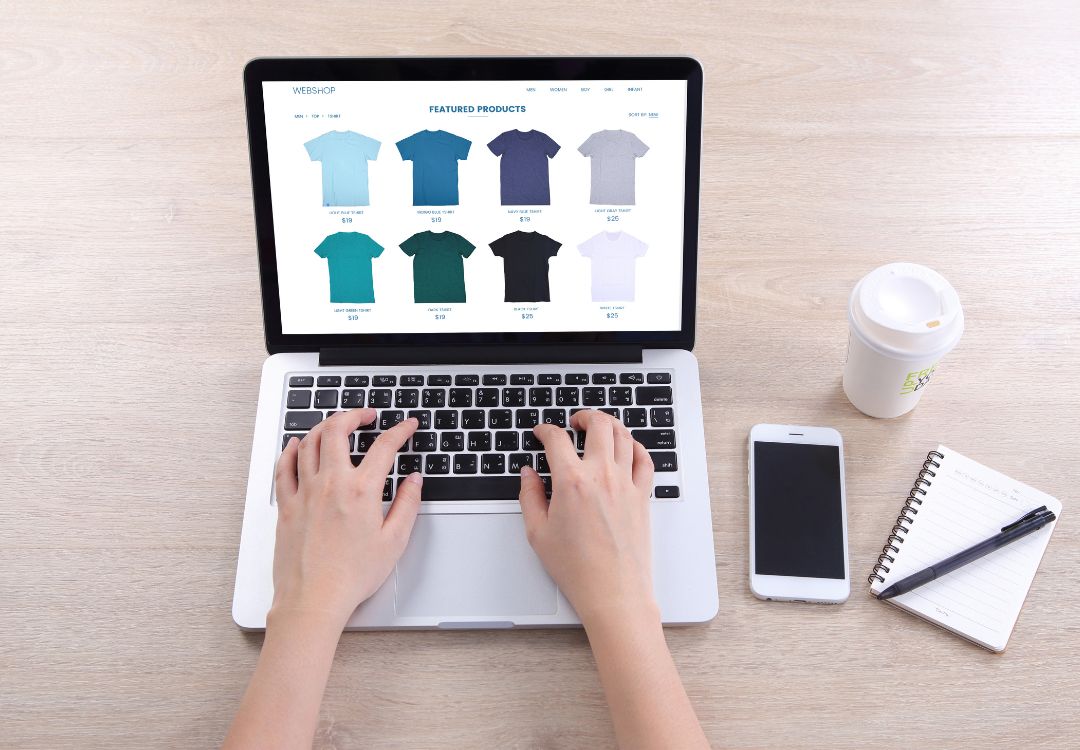
Riding the wave of digitalization, aware of the market transformation, you convinced yourself to move part of your sales activity online. You opened a small e-commerce business and prepared to reap the benefits of your foresight.
Whether your enterprise is large or small, however, a daunting question has surely arisen: “How can I compete with Amazon?“
Unless you have a few billion dollars to invest, and I doubt that's the case, you can't. Simply, no competitor can fight on equal terms with Amazon, at least in the Western market.
Does this mean that there is no hope of survival for a small e-commerce?
Far from it! Here are some tips for optimizing your online store and take some customers away from the U.S. giant.
Forget about the price
Do you really think you can compete with Amazon by lowering the price of your products? Amazon's horizontal system and logistics solutions allow you to cut down on a multitude of costs, effectively outperforming any competition in terms of affordability.
To cover costs and maintain a sufficient margin, you can't lower prices. Only at the cost of great sacrifice could you achieve the convenience of Amazon, and even at the same price, the customer will tend to prefer Amazon because of brand awareness.
Your challenge is Obtain a relatively steady flow of customers, maintaining your market prices.
Specialized E-commerce
Amazon is a tough cookie, but its greatest strength is at the same time its greatest flaw: Amazon speaks to everyone, is horizontal and generic in the products it offers. You can find virtually anything there: from books to electronic devices, from toys to clothing.
You can use these features to your advantage. Give your e-commerce a strong personal touch: put emphasis on the specialties of your industry. If your ecommerce sells Sicilian culinary specialties, build specific imagery: emphasize quality, eco-sustainability, natural KM 0 products, include links to recipes and tips, orient graphics according to your products, and curate communication to meet your specific target audience.
In short, make sure that any user interested in Sicilian cuisine is drawn inexorably to your products and content. Your goal is to build a space that is fully dedicated to what you sell; users will notice your passion and expertise in the field, and you will be one step closer to having them as customers.
The key is called CUSTOMER SERVICE.
Amazon has millions of customers to manage; you have far fewer. Therefore, if you want to compete, you need all your efforts to be geared toward satisfying them.
Ask for reviews, offer usage tips, send small gadgets or thank-you cards along with your products, design a comprehensive and easily accessible FAQ page, and always be available to resolve doubts and provide clarification personally through an e-commerce-integrated customer service system.
User Experience Will have to be your keyword: a satisfied customer is a customer who comes back to you.
Digital advertising for e-commerce
The web is big and your e-commerce is small. How can you reach the very users most interested in your products?
The answer is Advertising: whether on search engines or social networks, it is important to formulate a strategy that allows you to identify and channel your potential target audience, to turn users into paying customers.
Through social networks you can segment your audience by interests, geographic location, and by many other criteria: if your e-commerce business sells women's shoes, you will want to focus your advertising investments on reaching women, while if you deal in sports accessories you would prefer to try to engage young athletes rather than retirees.
The possibilities are many, and a good advertising plan makes it possible to concentrate the few resources of a small e-commerce for them to be employed in the most fruitful and functional way possible.